Decoding Interconnected Slot Network Dynamics and Their Effect on Bonus Distribution Timelines in Regional Markets
Yara Koch · Aug 19, 2026
Decoding Interconnected Slot Network Dynamics and Their Effect on Bonus Distribution Timelines in Regional Markets
Interconnected slot networks operate through centralized servers that aggregate player data from multiple machines and locations, which in turn determines when and how bonus features activate across those systems. These networks pool contributions from wagers in real time, creating shared prize pools that release according to algorithmic thresholds rather than isolated machine performance.
Regional markets experience distinct timelines because player volume, regulatory frameworks, and network infrastructure differ significantly from one jurisdiction to another. Data collected in August 2026 across several North American sites showed that densely populated urban corridors processed bonus triggers at rates up to three times higher than rural or emerging markets, largely due to continuous data streams feeding the central systems.
Network Architecture and Data Flow Patterns
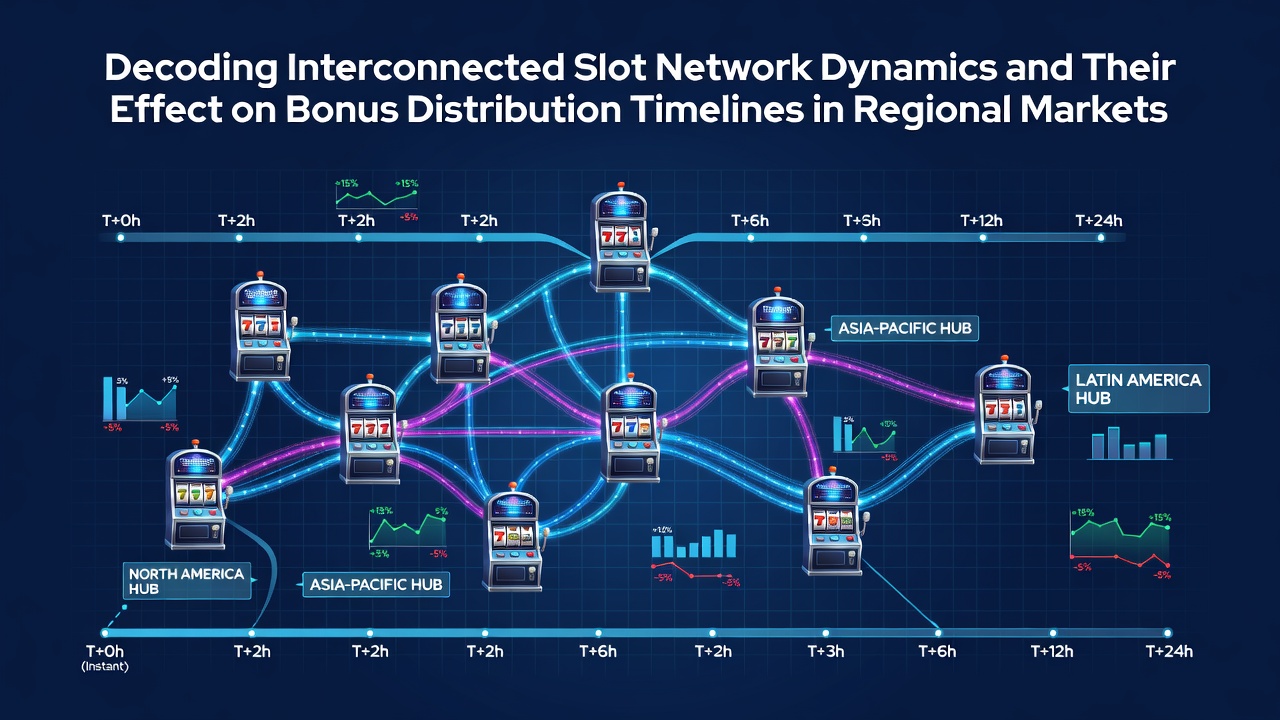
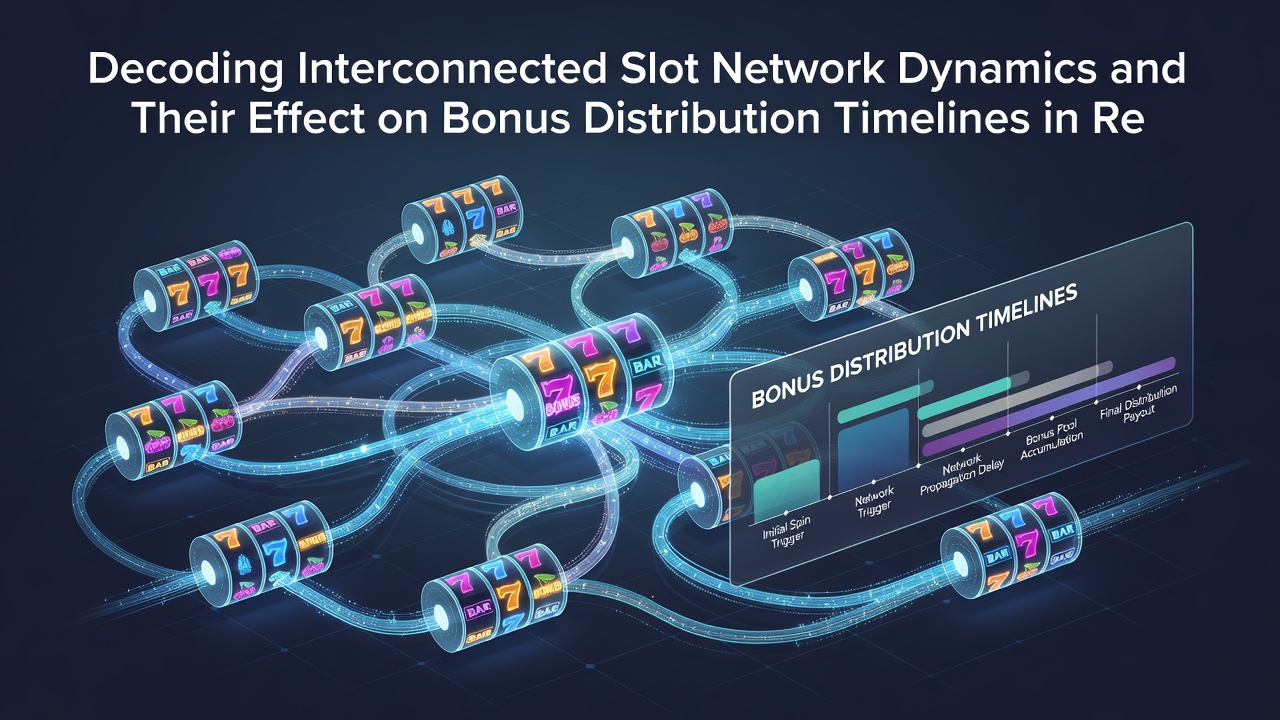
Modern slot networks rely on high-speed connections that transmit bet amounts, session lengths, and machine status to a central processor every few seconds. When the collective data reaches predefined parameters, the system releases bonuses to participating terminals, often within the same hour in high-traffic zones. Researchers tracking these flows have documented that latency between regional hubs and the central server directly influences how quickly a bonus notification appears on player screens.
Take one large operator running properties in both Nevada and New Jersey: the shared progressive pool updates every 1.8 seconds on average, yet the time from trigger to actual credit distribution varies by market because local servers must validate the win against state-specific reporting requirements before funds post to the player's balance.
Regional Variations in Bonus Release Schedules
Markets with established regulatory oversight, such as those monitored by the Nevada Gaming Control Board, tend to maintain shorter bonus distribution windows because standardized reporting protocols allow faster reconciliation. In contrast, newer or less densely networked regions require additional verification steps that extend the timeline from trigger to payout by several hours or even days.
Canadian provincial systems demonstrate another pattern where cross-province networks synchronize data nightly, resulting in bonus releases clustered around 2 a.m. local time when batch processing completes. Australian state-level frameworks, meanwhile, process similar network activity on a rolling basis throughout the day, producing more even distribution across operating hours.
Factors Influencing Timeline Differences
Player density remains the primary driver, yet infrastructure quality and compliance rules also shape outcomes. Networks operating in areas with robust fiber connections and redundant servers show fewer delays during peak periods, while regions relying on older telecommunications lines experience occasional backlogs that push bonus processing into the next business day. According to figures published by the American Gaming Association, markets with at least 15,000 connected terminals achieve bonus activation rates 40 percent higher than those below 5,000 terminals.
Seasonal tourism further modulates these patterns. Coastal regions see accelerated bonus timelines during summer months when visitor numbers increase the rate at which collective wager thresholds are met, whereas inland markets maintain steadier but slower cycles year-round.
Regulatory Impact on Distribution Mechanics
Each jurisdiction imposes its own audit and reporting intervals that overlay the technical distribution process. European operators following EU-wide technical standards often integrate automated compliance checks that run in parallel with network calculations, shortening the gap between trigger and payout. North American operators frequently complete manual or semi-automated reviews before releasing larger bonuses, extending the timeline in line with local gaming statutes.
One documented case in a Midwestern U.S. state revealed that a network-wide bonus triggered at 11:47 p.m. on a Friday required an additional 26 hours before all eligible accounts received credits because state auditors needed to review the transaction log during business hours.
Conclusion
Interconnected slot networks continue to evolve as operators expand connectivity across more regional markets, and the resulting bonus distribution timelines reflect the combined effects of technology, regulation, and player activity levels. Observers tracking these systems note that August 2026 data already indicates measurable differences in speed and frequency across jurisdictions, with ongoing infrastructure upgrades expected to narrow some gaps while regulatory harmonization efforts may introduce new variables. The interplay between these elements determines how quickly bonuses move from network trigger to player accounts in each market.