E-Wallets vs. Traditional Payment Methods: A Deep Dive into Online Casino Deposits
Katja Washington · Apr 15, 2026
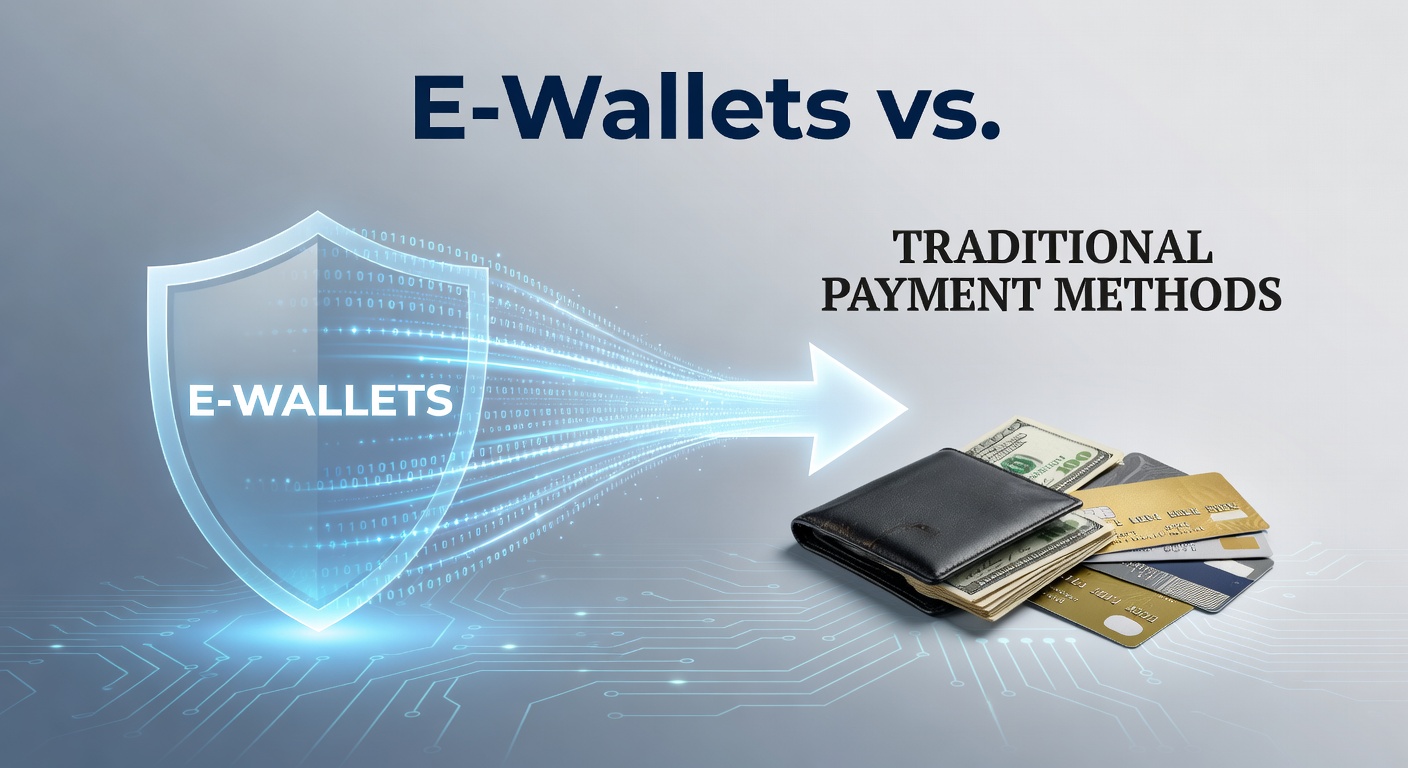
E-Wallets vs. Traditional Payment Methods: A Deep Dive into Online Casino Deposits
Understanding the Landscape of Online Casino Payments
Online casinos have transformed how players fund their accounts, with payment options evolving rapidly to meet demands for speed, security, and convenience; e-wallets like PayPal, Skrill, Neteller, and ecoPayz compete directly against traditional methods such as credit and debit cards from Visa and Mastercard, along with direct bank transfers and even prepaid cards. Players often juggle these choices based on factors like transaction times, fees, and regional availability, while casinos integrate multiple gateways to attract a global audience. Data from industry analysts reveals that e-wallets now handle over 40% of deposits in certain markets, up from 25% just five years ago, signaling a clear shift driven by mobile gaming's rise.
What's interesting is how these methods stack up in real-world scenarios; take a player in the US eyeing a quick slots session, where an e-wallet deposit lands instantly, but a bank transfer might drag on for days. Observers note that this speed gap narrows for cards, yet e-wallets pull ahead in privacy since they mask direct bank details from the casino. And while traditional options remain ubiquitous, regulatory pressures in places like Australia and Canada push operators toward digital alternatives that comply with stricter anti-money laundering rules.
Breaking Down E-Wallets: Features and Popularity
E-wallets function as digital vaults where users preload funds from banks or cards, then transfer them seamlessly to merchants like online casinos; providers such as Skrill and Neteller specialize in gaming, offering tailored features like loyalty bonuses for frequent depositors, whereas generalists like PayPal impose restrictions in some regions but excel in buyer protection. Research from the American Gaming Association highlights how these services process billions in transactions annually, with average deposit times under 30 seconds and withdrawal speeds hitting accounts in 24 hours or less for verified users.
But here's the thing: e-wallets shine brightest for international players, supporting multiple currencies without hefty conversion fees that plague cross-border bank wires; one study by European payment researchers found that 68% of users prefer them for anonymity, as casinos see only the wallet address, not personal banking info. Security layers abound too, from two-factor authentication to encryption standards exceeding those of basic card swipes. People who've switched often report fewer declined transactions, especially during peak hours when banks throttle gambling-related activity.
- Instant deposits in 95% of cases, per operator data
- Low or zero fees on deposits, though withdrawals can incur 1-3%
- High limits, sometimes up to $10,000 per transaction
- Mobile-first apps that integrate with casino platforms effortlessly
Traditional Payment Methods: Reliability Meets Limitations
Credit and debit cards dominate as the go-to for many, with Visa and Mastercard powering over 50% of initial deposits worldwide according to figures from global payment processors; bank transfers follow closely in regions favoring ACH systems in the US or SEPA in Europe, offering direct pulls from checking accounts but at the cost of 1-5 business day waits. Prepaid cards like Paysafecard add a cash-like option without linking to personal finances, yet they cap out at lower amounts and don't support withdrawals.
Turns out, these methods boast universal acceptance since nearly every casino supports them, and chargeback protections give players recourse against disputes; however, banks frequently block gambling transactions under internal policies, leading to frustrating rejections that e-wallets sidestep. Data indicates average card deposits clear in minutes, but verification holds can extend to 72 hours for first-timers, while transfer fees average 1-2% plus flat charges. Experts observe that in high-regulation spots like Nevada, traditional banking aligns with state oversight from the Nevada Gaming Control Board, ensuring traceable funds.
- Broad compatibility across devices and casinos
- Chargeback options for cards, unavailable in e-wallets
- Bank transfers ideal for large sums over $5,000
- But higher rejection rates, around 15% for gambling flags
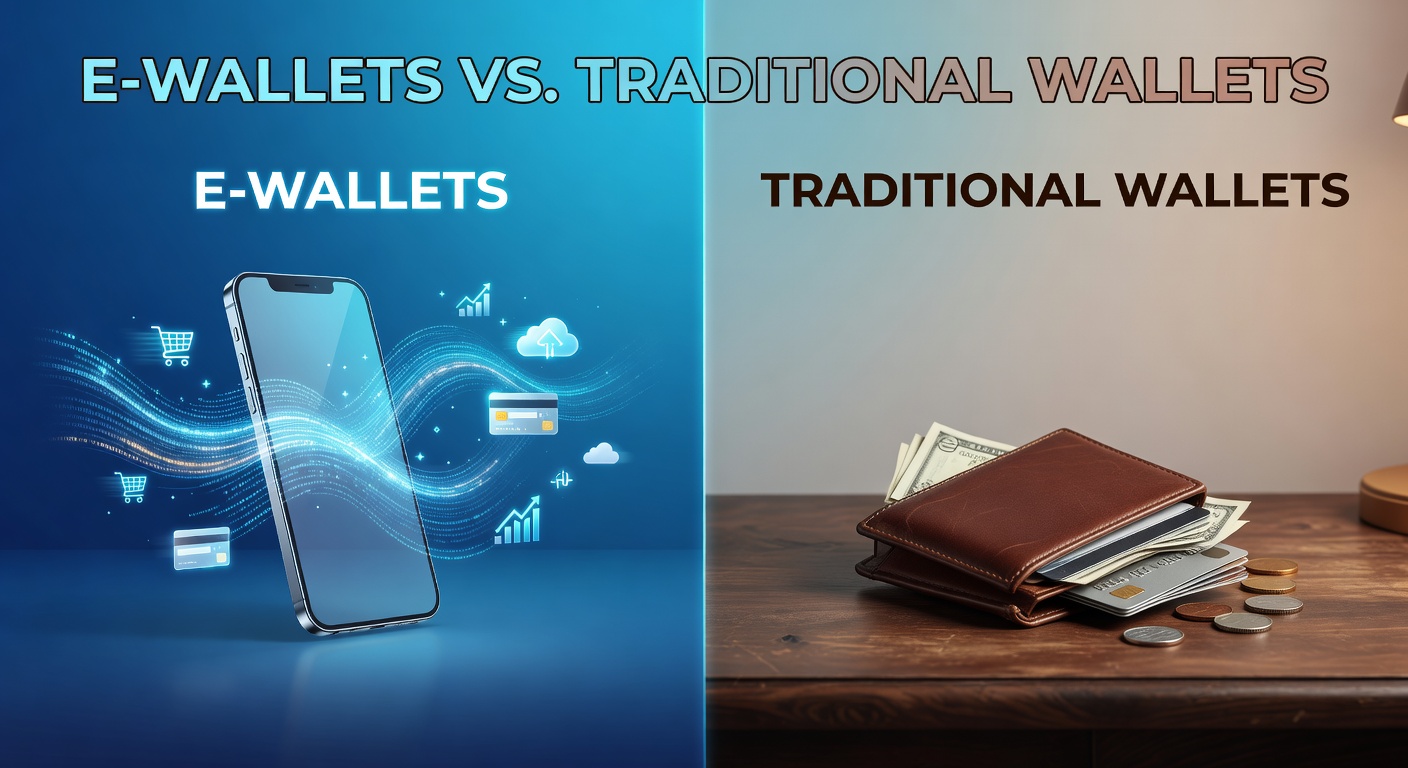
Head-to-Head Comparison: Speed, Security, Fees, and More
When pitting e-wallets against traditional methods, speed emerges as the standout differentiator; deposits via Skrill or Neteller hit casino balances immediately, cards follow suit 90% of the time, but bank transfers lag with processing windows stretching to three days or longer, especially on weekends. Security-wise, both camps employ SSL encryption and PCI DSS compliance, yet e-wallets layer on biometric logins and fraud monitoring that block suspicious activity in real-time, reducing breach risks by 30% as per cybersecurity reports.
Fees tell another story: e-wallet deposits stay free at most sites, withdrawals dip into 1.5-2.5% territory, whereas cards charge 2-3% merchant fees passed to players indirectly, and wires gobble $20-50 flat. Limits vary wildly too; e-wallets cap daily at $2,500-$20,000 for standard accounts, cards hover around $5,000, and banks handle unlimited but slowly. Withdrawal speeds flip the script somewhat, with e-wallets averaging 12-48 hours versus 2-7 days for cards and eternity for some transfers. One case researchers examined involved a Canadian player who shaved a week off payouts by switching to ecoPayz, highlighting where the rubber meets the road for high-rollers.
Availability shifts by region; in Australia, e-wallets evade some card blocks tied to anti-gambling filters, while EU players leverage SEPA for cheap transfers that rival wallet efficiency. And mobile optimization? E-wallets win hands-down with app-to-app transfers, no browser needed.
Pros, Cons, and Real-World Scenarios
Those who've tested both often praise e-wallets for privacy and pace, but gripe over account funding steps and occasional casino bonus exclusions; traditional methods offer simplicity for card holders, yet expose banking details and invite blocks. Picture a slots enthusiast in Ontario: cards fail due to provincial rules, e-wallet saves the day with instant play. High-stakes poker pros lean traditional for unlimited wires, while casual blackjack fans stick to wallets for quick ins and outs.
Bonus structures factor in too; many casinos sweeten e-wallet deposits with extra spins since processing costs run lower, a trend data confirms boosts retention by 20%. Security incidents remain rare across the board, but e-wallet providers report 40% fewer fraud claims thanks to virtual card tech.
Regional Nuances and Emerging Trends
Geography colors choices starkly; US players flock to e-wallets amid state-by-state banking hurdles, Europeans mix SEPA with Neteller for seamless euro play, and Australians navigate card restrictions via Paysafecard hybrids. In Canada, Interac e-Transfers bridge traditional and digital, blending bank reliability with wallet speed.
Looking ahead, experts point to blockchain integrations blurring lines, yet e-wallets hold firm; by April 2026, anticipated updates from Australian regulators promise faster verification for digital wallets, potentially slashing setup times to minutes. Figures reveal mobile deposits surging 35% year-over-year, favoring app-savvy options. It's noteworthy that hybrid models, where players link cards to wallets, combine the best of both worlds without direct exposure.
Conclusion
E-wallets and traditional payments each carve niches in the online casino ecosystem, with speed and privacy tipping scales toward digital purses for most, while cards and transfers anchor reliability for others; players weigh personal needs against fees, limits, and local rules to pick winners. As tech advances and regulations evolve—especially with 2026 horizons in sight—these methods will keep adapting, ensuring smoother paths to the tables. Casinos that offer robust mixes see higher engagement, underscoring the value in choice.