How Transaction Velocity Shapes Reward Layering in Portable Table Game Networks
Katja Washington · Jul 27, 2026
How Transaction Velocity Shapes Reward Layering in Portable Table Game Networks
Portable table game networks process bets on mobile devices through interconnected platforms that track every wager in real time, and transaction velocity measures the rate at which these bets move through payment rails and game servers. Higher velocity occurs when players complete multiple rounds of blackjack or roulette within short windows, which forces the systems to log data faster and allocate rewards accordingly. Researchers at several gaming analytics firms have documented that networks handling over 500 transactions per minute per user show distinct patterns in how loyalty points and bonus tiers stack on top of each other.
Core Components of Transaction Velocity
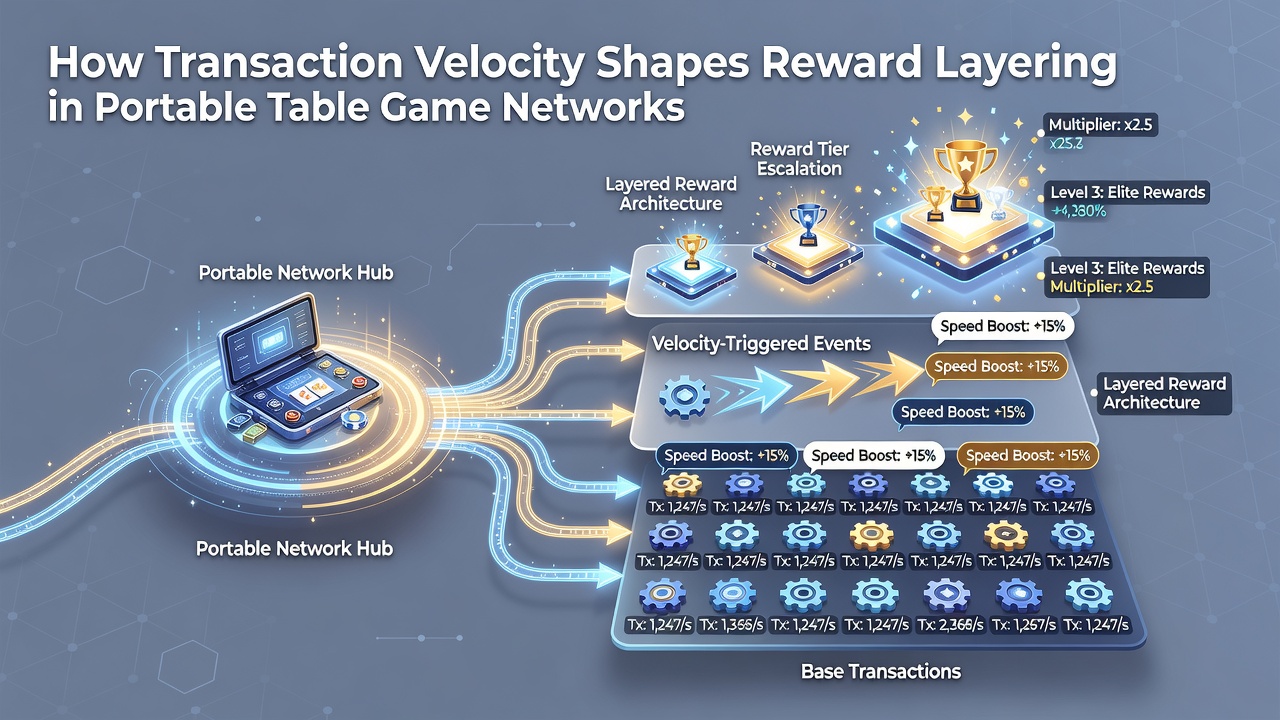
Velocity in these environments breaks down into three measurable parts: the speed of fund transfers from digital wallets to game balances, the interval between consecutive bets once funds arrive, and the time required for servers to confirm each outcome and update player profiles. Data from large-scale portable networks reveals that when confirmation times drop below two seconds, operators can layer additional rewards such as instant cashback percentages or accelerated progress toward VIP status. Those who have studied transaction logs note that slower confirmations, by contrast, limit layering opportunities because the system cannot verify activity quickly enough to trigger follow-on bonuses before the session ends.
How Reward Layering Operates in Practice
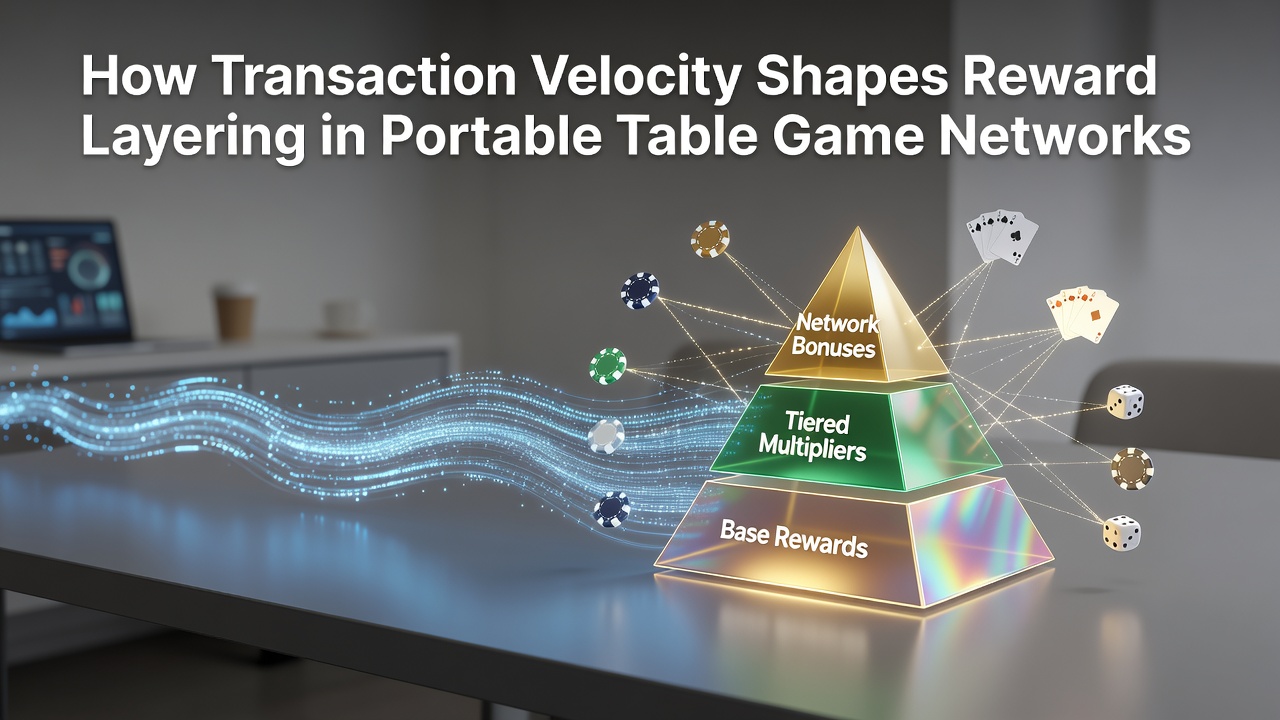
Reward layering assigns multiple benefit types to a single player action, for example combining a base loyalty multiplier with a time-sensitive deposit match and a separate table-game-specific rebate. In portable environments this layering depends on continuous data streams that velocity directly influences. When players execute rapid sequences of side bets or quick re-bets, the platform registers higher activity density and applies secondary rewards that would otherwise remain dormant. Industry reports compiled by the American Gaming Association indicate that networks optimizing for sub-three-second transaction cycles achieve up to 28 percent more layered reward redemptions than those operating at traditional five-to-seven-second intervals.
Portable table game networks often integrate with third-party payment processors that apply velocity-based filters to detect both legitimate high-frequency play and potential irregularities. These filters adjust reward eligibility in real time, granting extra layers only when velocity remains within expected ranges for verified accounts. Observers at several software providers have recorded cases where sudden velocity spikes above 1,200 transactions per hour prompted temporary holds on bonus stacking until identity verification cleared.
Empirical Patterns Across Networked Systems
Studies of multi-operator portable platforms show clear correlations between average transaction velocity and the depth of reward structures offered. One analysis covering platforms in North America and parts of Asia found that every 100 additional transactions per hour correlated with an average increase of 0.4 reward layers per active session. The same research indicated that networks using distributed ledger technology for settlement recorded even steeper gains because immutable timestamps allowed precise velocity calculations without reconciliation delays.
July 2026 brought several platform updates that further tightened the link between velocity metrics and reward distribution. Developers rolled out enhanced API endpoints that let operators adjust layering rules based on live velocity feeds rather than end-of-day aggregates. Those updates produced measurable shifts: players on updated networks received an average of 12 percent more layered bonuses when their session velocity exceeded the network median, according to internal performance summaries shared with regulatory partners.
Regulatory and Technical Influences
Regulatory bodies in multiple jurisdictions require operators to maintain transparent records of how transaction velocity affects bonus eligibility. The New Jersey Division of Gaming Enforcement, for instance, mandates that any velocity-triggered reward adjustment appear in player-facing terms before activation. Similar requirements exist under the Australian Communications and Media Authority guidelines for digital wagering platforms. Compliance teams therefore embed velocity thresholds directly into reward engines so that layering occurs only when documented criteria are met.
Technical constraints also shape outcomes. Bandwidth limitations on certain mobile carriers can reduce effective velocity, which in turn caps the number of reward layers a player can unlock during travel or in low-signal areas. Network engineers counter this by implementing edge caching that pre-loads reward eligibility checks, thereby preserving layering opportunities even when raw transaction speed fluctuates.
Conclusion
Transaction velocity functions as a primary driver of reward layering depth within portable table game networks because faster processing enables more frequent eligibility checks and simultaneous application of multiple benefit types. Data collected through 2026 demonstrates that operators who align their systems with velocity metrics achieve greater reward density without increasing overall bonus liability, provided regulatory transparency requirements remain satisfied. Continued refinement of real-time monitoring tools will likely sustain this relationship as portable platforms expand across additional markets.