Investigating the Integration of Virtual Reality Elements into Live Dealer Experiences Within Portable Gambling Applications
Anna Berger · Jun 15, 2026
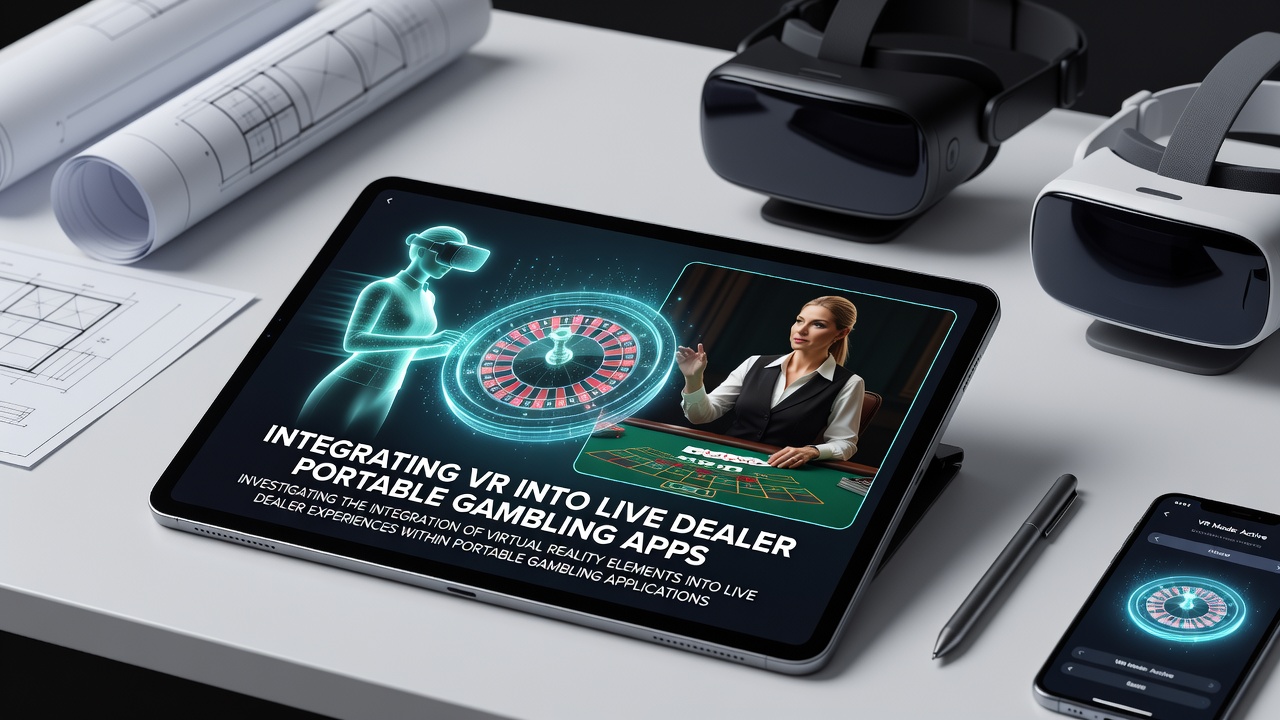
Investigating the Integration of Virtual Reality Elements into Live Dealer Experiences Within Portable Gambling Applications
Portable gambling applications have incorporated virtual reality components into live dealer sessions over recent years, and developers continue to refine these systems through hardware partnerships and software updates that align with mobile device capabilities. Research from academic institutions such as the University of Nevada, Reno indicates that VR overlays now render dealer environments in three dimensions while users interact via standard smartphones equipped with compatible headsets or standalone viewers. These integrations allow participants to observe card shuffles and wheel spins from multiple angles without requiring dedicated gaming consoles.
Core Technological Components in Current Systems
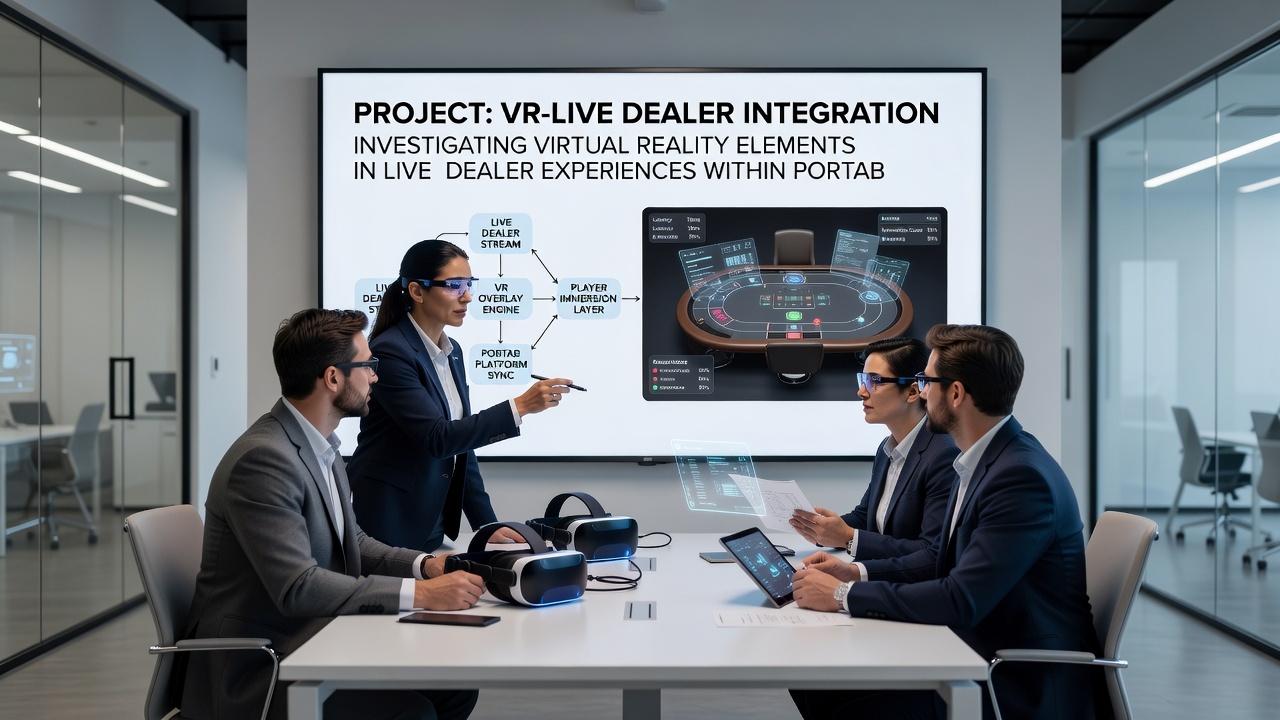
Live dealer platforms combine high-definition video streams with VR tracking data, and this fusion occurs through cloud-based rendering engines that process user head movements in real time. Software frameworks from providers like Evolution Gaming and Playtech transmit positional information to adjust virtual table perspectives accordingly, while latency mitigation protocols maintain synchronization between the physical studio and the mobile application layer. Data indicates that frame rates above 60 per second reduce motion discomfort during extended sessions, and developers achieve this threshold by compressing video feeds before transmission over 5G networks.
Hardware requirements remain modest compared to full virtual reality setups, since many applications leverage smartphone gyroscopes and accelerometers rather than external sensors. Users mount their devices in lightweight viewers or use passthrough modes on newer headsets, and this approach extends accessibility to regions where specialized equipment sees limited adoption. Observers note that battery optimization routines adjust rendering quality dynamically based on remaining power levels, preventing abrupt session terminations during live blackjack or roulette rounds.
Implementation Patterns Across Major Markets
Operators in North America and parts of Asia have deployed pilot programs that embed VR elements into existing live dealer lobbies, and these trials demonstrate measurable increases in session duration according to internal metrics shared at industry conferences. Canadian regulatory filings through the Alcohol and Gaming Commission of Ontario show that approved applications must verify user age and location before activating VR modes, which ensures compliance with provincial standards. Similar frameworks appear in Australian jurisdictions where state gaming authorities require detailed technical audits prior to market entry.
Regulatory and Security Considerations
Integration efforts must address encryption standards that protect both financial transactions and biometric data collected through VR head tracking, and several jurisdictions mandate independent testing of these protocols before approval. The Nevada Gaming Control Board has published technical bulletins outlining minimum requirements for data handling in immersive environments, and these guidelines influence development roadmaps for applications distributed across multiple states. European operators reference frameworks from the Malta Gaming Authority when certifying VR-enhanced products, while cross-border compatibility testing continues through collaborative working groups.
June 2026 marks the scheduled rollout of updated compliance modules that incorporate advanced identity verification within VR interfaces, and these modules use facial recognition layered over existing account systems. Such enhancements aim to maintain regulatory consistency while supporting the growing number of portable devices capable of rendering complex dealer scenes. Industry reports from the American Gaming Association track adoption rates and highlight how encryption upgrades reduce vulnerability windows during live sessions.
Performance Metrics and User Interaction Data
Studies conducted by research teams at the University of Waterloo have measured average engagement times across VR-enabled live dealer tables versus traditional mobile formats, and the findings reveal consistent patterns where spatial audio cues contribute to perceived realism. Developers incorporate these insights by refining soundscapes that match physical casino acoustics, and this attention to auditory detail occurs alongside visual refinements in recent application versions. Network performance statistics collected during peak hours show that adaptive bitrate streaming maintains stability even when multiple users occupy the same virtual table environment.
Case examples from operators who integrated early VR features demonstrate that tutorial sequences help new participants navigate gesture-based controls, and these sequences appear within the application before live dealer connections activate. Observers have documented reduced error rates in betting placement after such onboarding steps, particularly when applications provide visual guides overlaid on the three-dimensional table surface. Continued iteration focuses on minimizing processing overhead so that entry-level smartphones can sustain sessions without thermal throttling.
Future Development Pathways
Partnerships between application developers and hardware manufacturers point toward expanded support for mixed reality passthrough features that blend physical surroundings with virtual dealer tables, and these collaborations accelerate as component costs decline. Technical roadmaps shared at trade events outline plans for enhanced hand-tracking precision that would allow natural chip placement gestures within portable environments. Data aggregation from multiple software studios indicates steady growth in titles offering at least partial VR support, with expansion expected through 2027.
Conclusion
The integration of virtual reality elements into live dealer experiences on portable gambling applications continues through iterative hardware and software advancements that address both technical constraints and regulatory requirements. Evidence from multiple jurisdictions and research institutions shows measurable progress in rendering quality, security protocols, and cross-device compatibility. Developments scheduled around June 2026 will further standardize verification processes while expanding accessibility across additional markets.