Mapping Connections Between Deposit Options and Retention Rates in Digital Gambling Sites
Mia Neumann · Jun 22, 2026
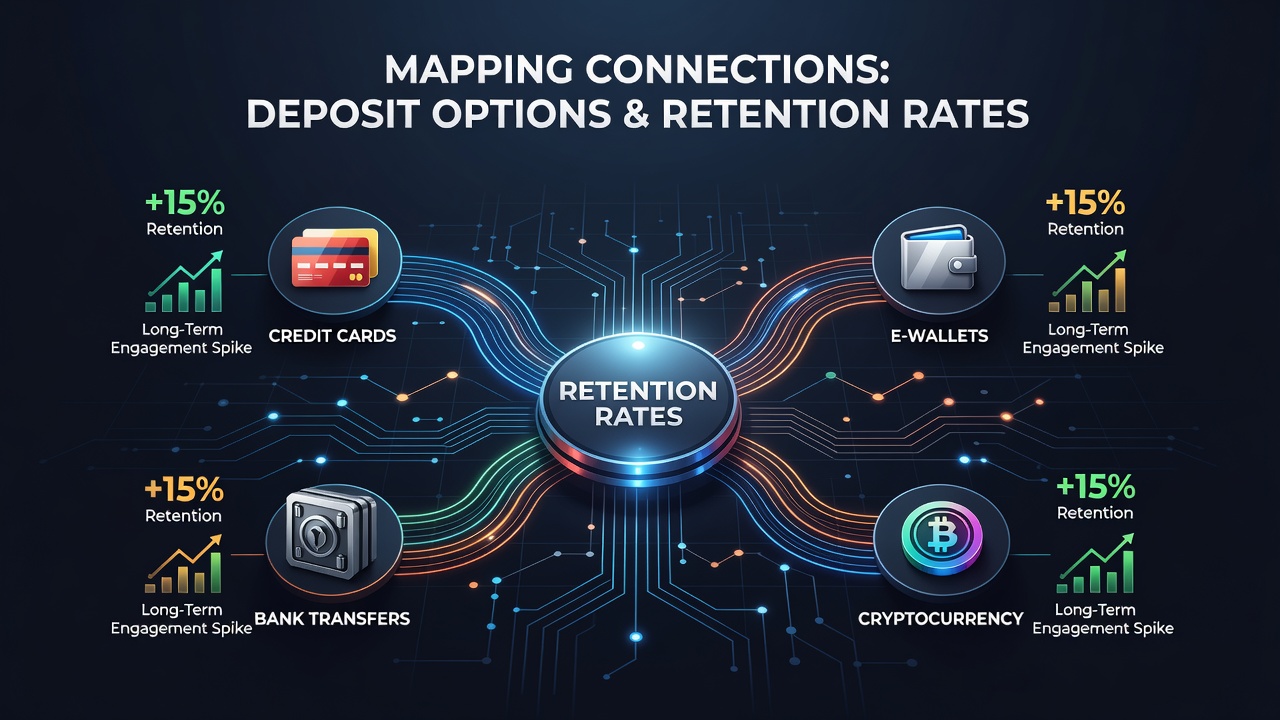
Mapping Connections Between Deposit Options and Retention Rates in Digital Gambling Sites
Digital gambling sites track how deposit methods connect to player retention through detailed transaction logs and behavioral analytics, and researchers continue to examine these patterns across multiple markets. Data from various operators shows that faster payment options often correlate with longer user sessions, while slower methods tend to see quicker drop-offs in activity over time.
Payment speed stands out as one key factor. E-wallets and instant bank transfers allow players to move funds within seconds, and studies indicate this convenience keeps individuals engaged longer than traditional card processing that can take minutes or hours. In June 2026 reports from North American markets, platforms offering multiple instant options reported average retention periods extending by several weeks compared to those limited to slower methods.
Deposit Categories and Their Typical Patterns
Operators categorize deposit options into credit and debit cards, e-wallets, bank transfers, prepaid vouchers, and cryptocurrencies. Each group carries distinct processing traits that influence how often players return. Credit card users frequently complete initial deposits but show higher rates of payment friction later, which can interrupt momentum during active sessions.
E-wallets such as PayPal or Skrill handle transactions in real time without revealing banking details, and analysts note these platforms maintain steadier retention curves. Bank transfers provide security for larger sums yet introduce delays that reduce repeat activity within the first 48 hours after signup. Cryptocurrency options deliver near-instant confirmations and lower fees in many regions, though volatility concerns sometimes limit broader adoption among casual players.
Regional Data Highlights
Ontario's iGaming market supplies one clear dataset where deposit speed directly tracks with 30-day retention figures. Platforms that integrated instant e-wallet solutions saw return rates climb above those relying primarily on card processors. Similar observations appear in Australian regulatory summaries, where figures reveal that diversified payment menus reduce early churn across both desktop and mobile users.
Security Features and Their Role in Sustained Engagement
Encryption standards and verification steps affect how comfortably players continue using a site. Two-factor authentication paired with quick deposit approvals builds trust, whereas repeated verification requests can push users toward competitors. Research indicates that sites minimizing these friction points retain higher percentages of first-time depositors through the initial three months.
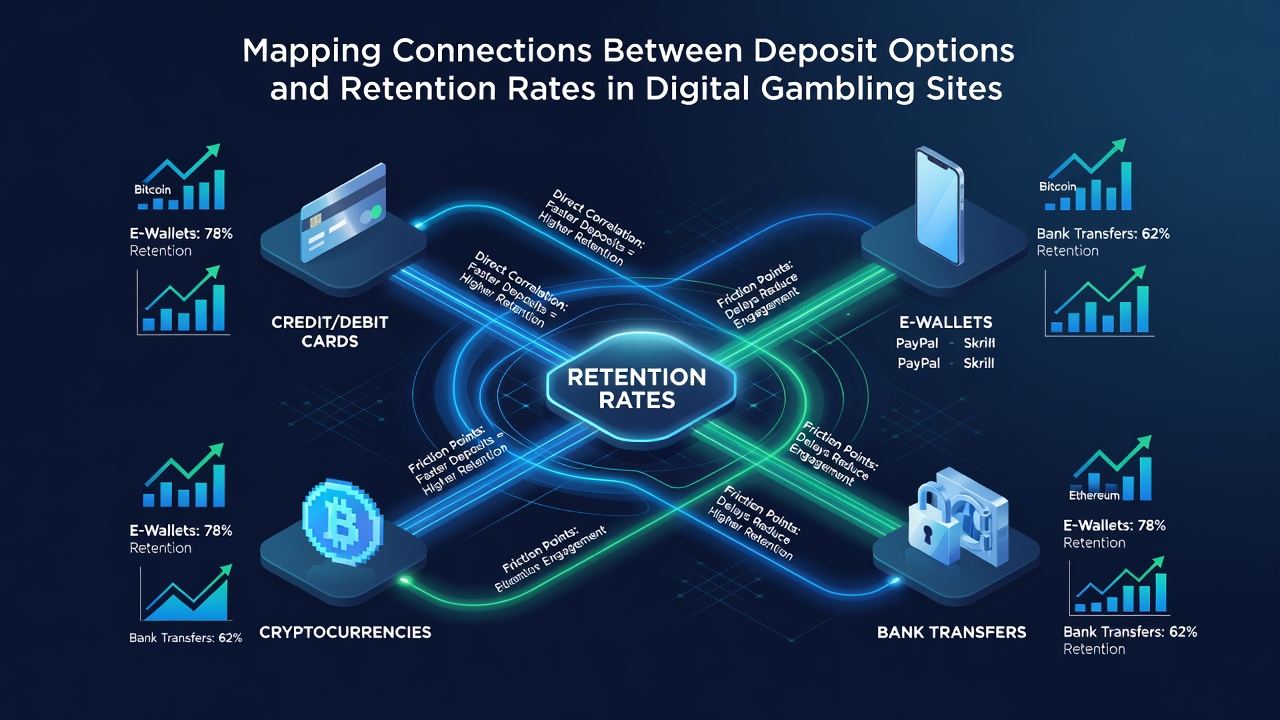
Payment method diversity also matters. Sites that support three or more instant options tend to experience fewer account closures tied to funding issues. Observers note that players who encounter rejected transactions early often abandon the platform entirely, whereas flexible menus encourage them to try alternative routes and remain active.
Behavioral Metrics Across Payment Types
Retention measurements typically include session frequency, deposit volume over time, and account lifespan. E-wallet users demonstrate higher session counts per week, while cryptocurrency adopters show spikes during promotional periods but steadier long-term activity when fees stay low. Prepaid voucher users often record shorter overall engagement windows because reloads require additional steps.
One analysis of networked slot systems found that deposit method choice influenced jackpot participation rates as well. Players using seamless funding options joined progressive pools more consistently, which in turn extended their time on site. Those limited to slower methods participated less and showed earlier declines in activity levels.
Cross-device patterns add another layer. Mobile users favor e-wallets and crypto for their speed during short sessions, and data shows these choices support higher daily return rates than desktop-heavy card transactions. Operators adjusting menus to prioritize mobile-friendly methods report measurable lifts in weekly active users through mid-2026 tracking periods.
Industry Reports and Emerging Trends
Industry organizations compile retention statistics that link payment infrastructure directly to player lifetime value. Reports from Canadian and Australian sources highlight how integrated banking APIs reduce drop-off between deposit attempts and gameplay starts. These improvements translate into more consistent revenue streams without altering game offerings.
What's interesting is how promotional structures interact with these payment patterns. Bonus offers tied to specific deposit methods sometimes boost short-term retention yet show mixed results for sustained activity once the promotion ends. Platforms that allow seamless method switching during bonus claims maintain steadier user bases overall.
Academic research from institutions studying behavioral economics in gaming environments points to similar conclusions. Transaction friction acts as a predictor of churn, and sites that streamline multiple funding routes demonstrate stronger cohort retention across quarterly reviews. These findings align with operational data collected through 2026.
Conclusion
Connections between deposit options and retention rates emerge clearly from transaction records and user analytics across digital gambling platforms. Faster, more secure methods support longer engagement windows, while friction points tied to processing delays or limited choices correlate with earlier exits. Regional datasets from Ontario and Australian markets continue to supply measurable examples, and ongoing platform adjustments reflect these observed relationships. As payment technologies evolve, operators track how new options reshape these patterns without relying on any single approach.