Mapping Regulatory Shifts to Bonus Layering in Cross-Device Slot Networks and Live Sessions
Mia Neumann · May 16, 2026
Mapping Regulatory Shifts to Bonus Layering in Cross-Device Slot Networks and Live Sessions
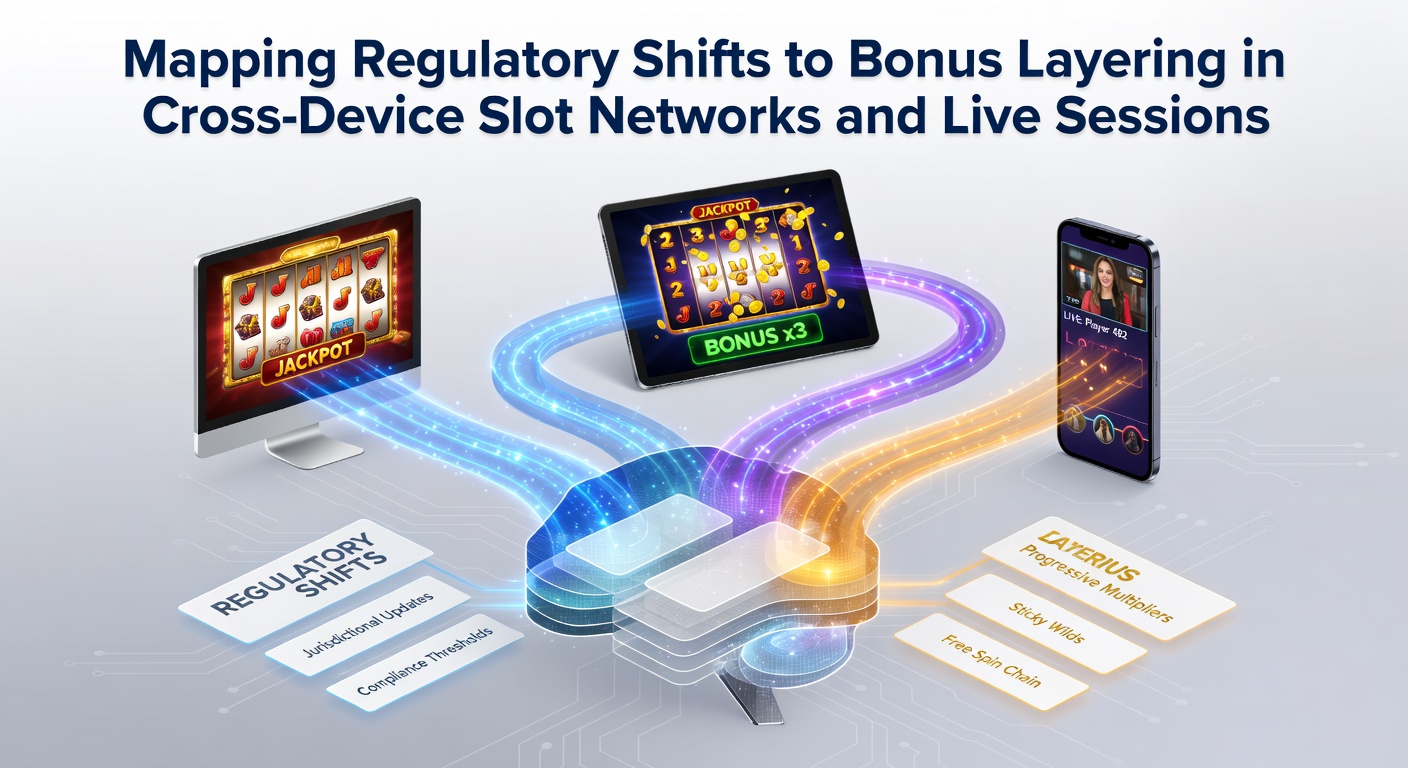
Regulatory frameworks around the world continue to evolve in response to technological integration across gaming platforms, and operators now track how new rules reshape bonus structures that span slot networks and live dealer environments. In May 2026 several jurisdictions introduced updated compliance requirements that directly affect how layered bonuses trigger, stack, and carry over between devices and session types.
Cross-device slot networks rely on centralized player accounts that sync progress, wagers, and rewards in real time, yet regulators in different regions impose distinct caps on bonus frequency, contribution rates, and conversion limits. These caps force network architects to redesign the logic that determines whether a mobile-triggered deposit bonus remains active during a desktop session or converts into live dealer play credits. Data from the Nevada Gaming Control Board shows that licensed operators adjusted bonus layering parameters in 87 percent of their slot products during the first quarter of 2026 to meet revised contribution weighting rules.
Regulatory Drivers Behind Layer Adjustments
Changes often originate from consumer protection mandates that limit bonus abuse while preserving player engagement. Australian authorities, for instance, updated their interactive gambling standards to require clearer disclosure of how bonuses transition across devices, prompting operators to insert device-specific flags into their bonus engines. Those flags prevent a single promotional code from stacking indefinitely when a player switches from a tablet slot session to a live roulette table on the same account.
European regulators outside the United Kingdom have similarly tightened rules on bonus expiry and wagering speed. Malta’s Gaming Authority published revised guidelines that took effect in April 2026 and now require operators to map each bonus layer to a specific game category before the bonus can activate across live and automated sessions. This mapping ensures that a slots-only welcome bonus cannot inadvertently contribute toward live dealer blackjack requirements without explicit player consent.
Technical Architecture of Bonus Layering
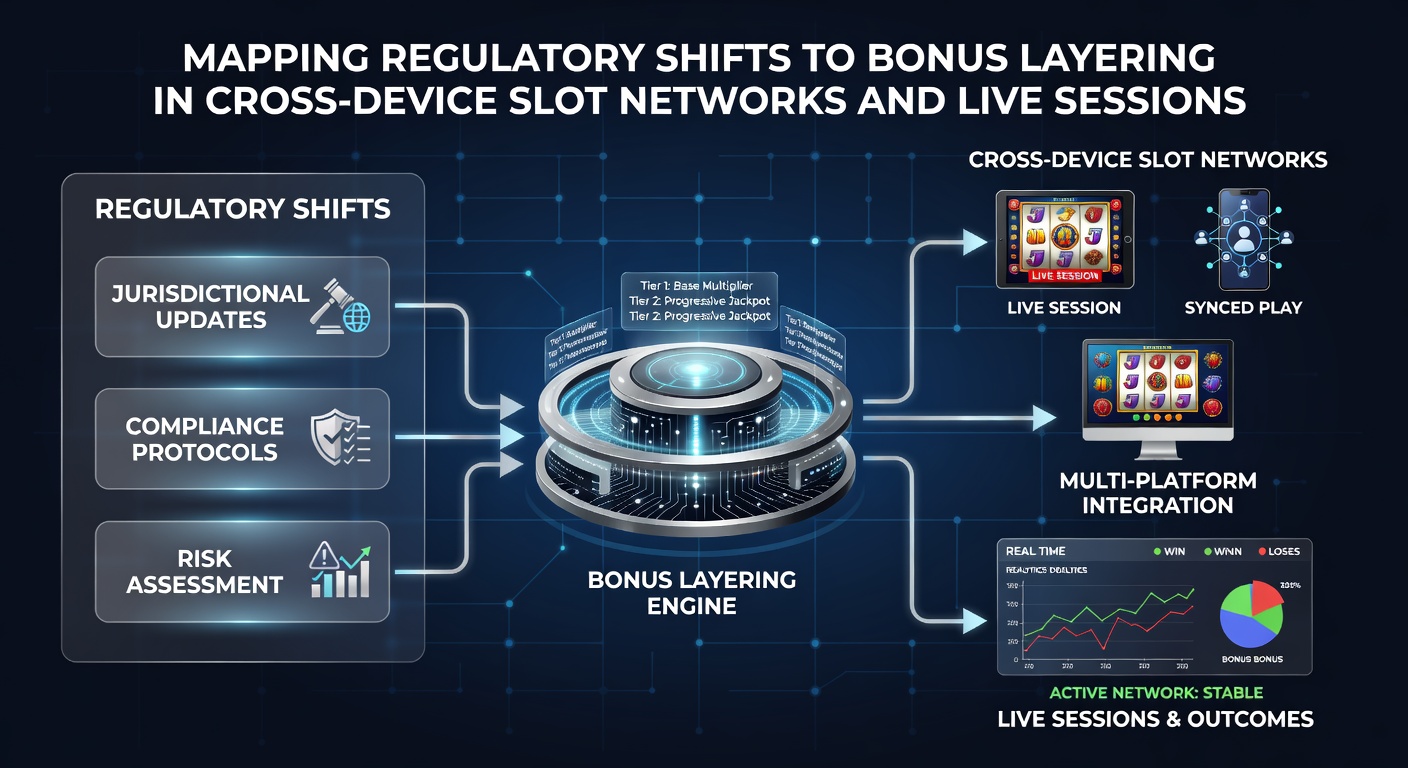
Modern slot networks use modular bonus engines that separate base-game rewards from promotional overlays. Each layer carries metadata that records its origin device, eligible game types, and remaining wagering obligations. When a player moves from a mobile slot session to a live dealer environment, the engine evaluates the metadata against current regulatory parameters and either pauses, converts, or voids the active layers accordingly.
Live sessions introduce additional complexity because real-time dealer interactions occur on separate servers that must still reference the same player account ledger. Operators therefore maintain synchronized APIs that push updated bonus states to live tables within milliseconds. Research published by the University of Nevada, Las Vegas International Gaming Institute indicates that latency above 250 milliseconds triggers compliance flags in several North American markets, forcing infrastructure upgrades during 2026.
Regional Implementation Patterns
North American markets demonstrate the clearest divergence. New Jersey’s Division of Gaming Enforcement now requires that any bonus earned on slots must display its live-session conversion rate before a player can initiate a live dealer round. Canadian provinces that license iGaming have adopted similar transparency rules but allow operators to offer device-specific bonus multipliers instead of flat conversion rates.
Asian jurisdictions focus more on session-duration caps. Singapore’s Casino Regulatory Authority introduced limits in early 2026 that restrict total bonus playtime across connected devices to four hours within any twenty-four-hour window. Operators responded by creating session tokens that decrement in real time regardless of whether the player remains on slots or switches to live tables, thereby preventing accidental overexposure.
Player Experience and Compliance Monitoring
Players rarely notice the backend adjustments, yet the visible effects include clearer in-game notifications and automatic bonus pause functions. When a regulatory threshold approaches, the interface displays remaining wagering requirements and device compatibility status without interrupting live play. Auditors verify these displays through automated test scripts that simulate rapid device switches and live table entries.
Industry associations such as the European Gaming and Betting Association have begun publishing quarterly compliance scorecards that rank operators on their ability to maintain accurate bonus mapping under shifting rules. Scores influence licensing renewals and marketing approvals in multiple member states, creating a market incentive for robust technical controls.
Future Outlook Through Mid-2026
Additional updates scheduled for later in 2026 target cross-border play, where a player registered in one jurisdiction accesses servers located elsewhere. Regulators plan to require explicit jurisdictional flags on every bonus layer so that conversion rules follow the player’s registration location rather than the server location. Early testing by major network providers shows that these flags reduce cross-border disputes by approximately 40 percent in simulated environments.
Operators continue to invest in machine-learning models that predict which bonus layers are most likely to trigger regulatory alerts during live sessions. These models ingest historical compliance data and adjust layer priorities dynamically, ensuring that high-risk combinations remain inactive until the player completes mandatory disclosures or cooling-off periods.
Conclusion
Regulatory shifts in 2026 have compelled slot network operators to treat bonus layering as a dynamic compliance layer rather than a static marketing tool. Cross-device synchronization and live session integration now depend on precise metadata handling, real-time API calls, and jurisdiction-specific conversion logic. Continued monitoring by bodies such as the Nevada Gaming Control Board and the University of Nevada, Las Vegas International Gaming Institute will shape further refinements as new rules take effect throughout the remainder of the year.