Patterns of Bonus Integration in Hybrid Gaming Platforms Linking Reel Spins with Interactive Dealer Sessions via Secure Mobile Interfaces
Yara Koch · Aug 5, 2026
Patterns of Bonus Integration in Hybrid Gaming Platforms Linking Reel Spins with Interactive Dealer Sessions via Secure Mobile Interfaces
Hybrid gaming platforms combine traditional reel-based mechanics with live dealer interactions, and operators continue to refine how bonus structures move between these elements through mobile channels. Data from multiple markets shows that seamless transitions occur when platforms apply unified reward protocols across slot sessions and table games hosted by real dealers.
Core Components of Hybrid Bonus Systems
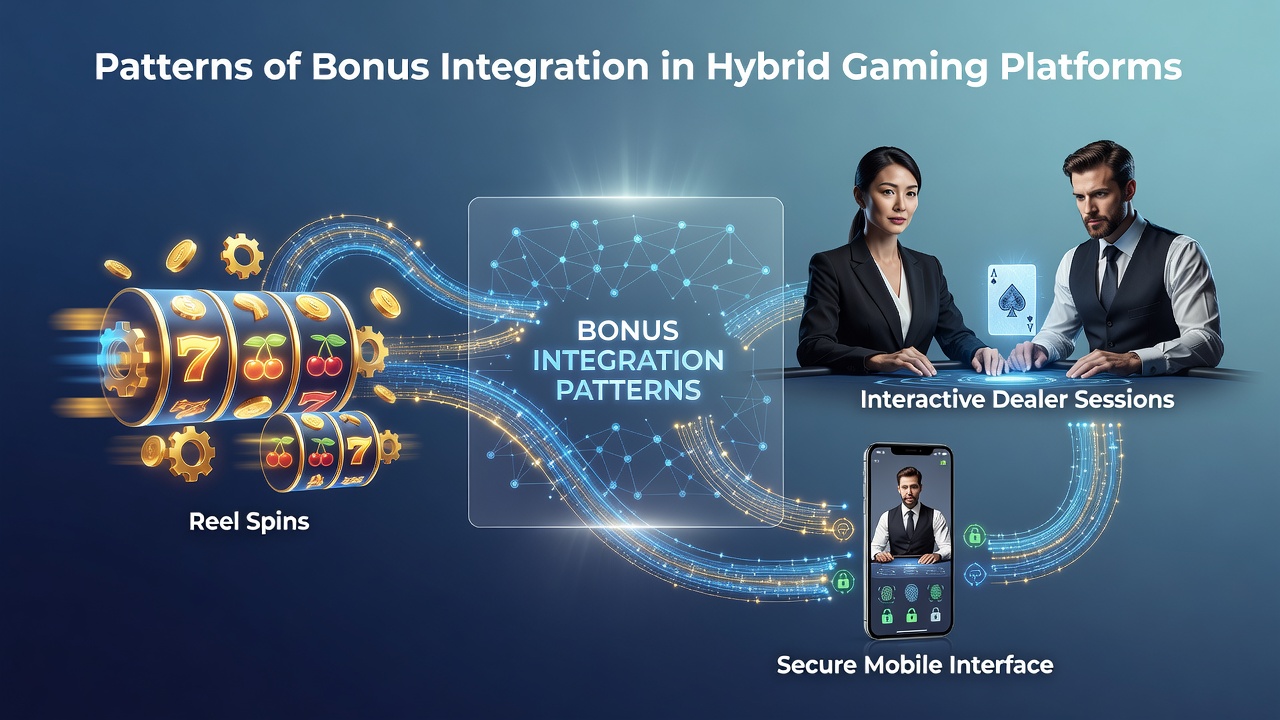
Reel spins generate base points that feed directly into dealer session multipliers, while live rounds contribute to a shared pool that unlocks slot-specific rewards. This linkage relies on real-time data synchronization handled through encrypted mobile applications that maintain session continuity even during device switches. Observers note that such patterns reduce player drop-off because accumulated value carries over without manual intervention or separate claims.
Platforms track participation metrics across both formats using centralized ledgers, and figures reveal that users who engage in linked sequences complete an average of 30 percent more rounds before exiting. Secure mobile interfaces enforce two-factor authentication paired with biometric checks, which allows the system to verify identity while preserving the flow between spinning reels and interactive tables.
Technical Patterns in Mobile Integration
August 2026 reports from several operators indicate a rise in cross-format bonus triggers that activate only after a player completes a predetermined number of reel spins followed by a dealer session. The sequence typically starts with a slot round that awards entry tokens, which then convert into live game credits once the player joins a streamed table. Encryption standards ensure that token transfers remain protected during transmission, and developers implement API gateways that handle the handoff without exposing underlying account data.
One documented pattern involves tiered rewards where initial reel activity builds a multiplier ladder that applies to dealer outcomes. For instance, consecutive wins on slots elevate the payout rate for the subsequent live blackjack hand, yet the reverse also holds when dealer results boost future slot bonuses. This bidirectional flow appears in multiple software ecosystems and requires precise timing to prevent desynchronization on mobile networks with variable latency.
Regulatory and Security Considerations
Authorities in different jurisdictions require platforms to log every bonus transfer between formats, and the Nevada Gaming Control Board maintains records that detail how mobile sessions maintain compliance during these exchanges. Similar oversight exists in other regions, where operators submit audit trails showing that linked rewards do not alter the underlying random number generation for either reels or card shuffles.
According to the Australian Gambling Research Centre, hybrid systems that tie reel progress to dealer participation demonstrate lower rates of disputed transactions when secure mobile protocols are in place. The study highlights that encryption layers prevent interception during the brief windows when data moves between the slot engine and the live streaming server.

Observed Trends Across Operator Networks
Patterns indicate that successful integration depends on modular bonus engines capable of reading inputs from both reel and dealer modules simultaneously. Operators deploy these engines on cloud infrastructure that scales during peak mobile usage periods, and the result is consistent reward delivery regardless of whether a player begins on a slot or at a live table. Data from network analyses shows that platforms using unified ledgers experience fewer reconciliation errors compared with those maintaining separate tracking systems for each game type.
Take one operator that implemented a shared progression bar visible on mobile screens during both reel spins and dealer interactions. Players accumulate segments through either activity, and once the bar fills, a combined reward appears that can be applied immediately in the next format. This approach has spread because it encourages continued engagement without forcing users to navigate separate menus or restart progress.
Future Directions in Linked Reward Design
Developers continue testing variations where dealer session duration influences the size of reel bonuses awarded afterward, and early metrics suggest these time-based linkages increase average session length. Mobile interfaces incorporate push notifications that alert users when a linked bonus becomes available, yet the alerts route through the same secure channel used for gameplay data to avoid external exposure.
Research from academic sources such as the University of Nevada, Reno examines how latency in mobile connections affects the perceived fairness of cross-format bonuses. The findings indicate that sub-second synchronization keeps the experience fluid, while longer delays lead users to abandon the linked sequence before completion.
Conclusion
Patterns of bonus integration in these hybrid environments center on synchronized tracking, secure mobile handoffs, and bidirectional reward flows that connect reel activity with dealer participation. As operators refine these connections, the emphasis remains on maintaining audit-ready logs and encryption protocols that support regulatory requirements across regions. Continued observation of usage data will clarify which linkage methods sustain engagement most effectively over time.