Regional Variations in Cryptocurrency Transaction Speeds Shaping Live Dealer Session Lengths Across Portable Platforms
Mia Neumann · Jul 8, 2026
Regional Variations in Cryptocurrency Transaction Speeds Shaping Live Dealer Session Lengths Across Portable Platforms
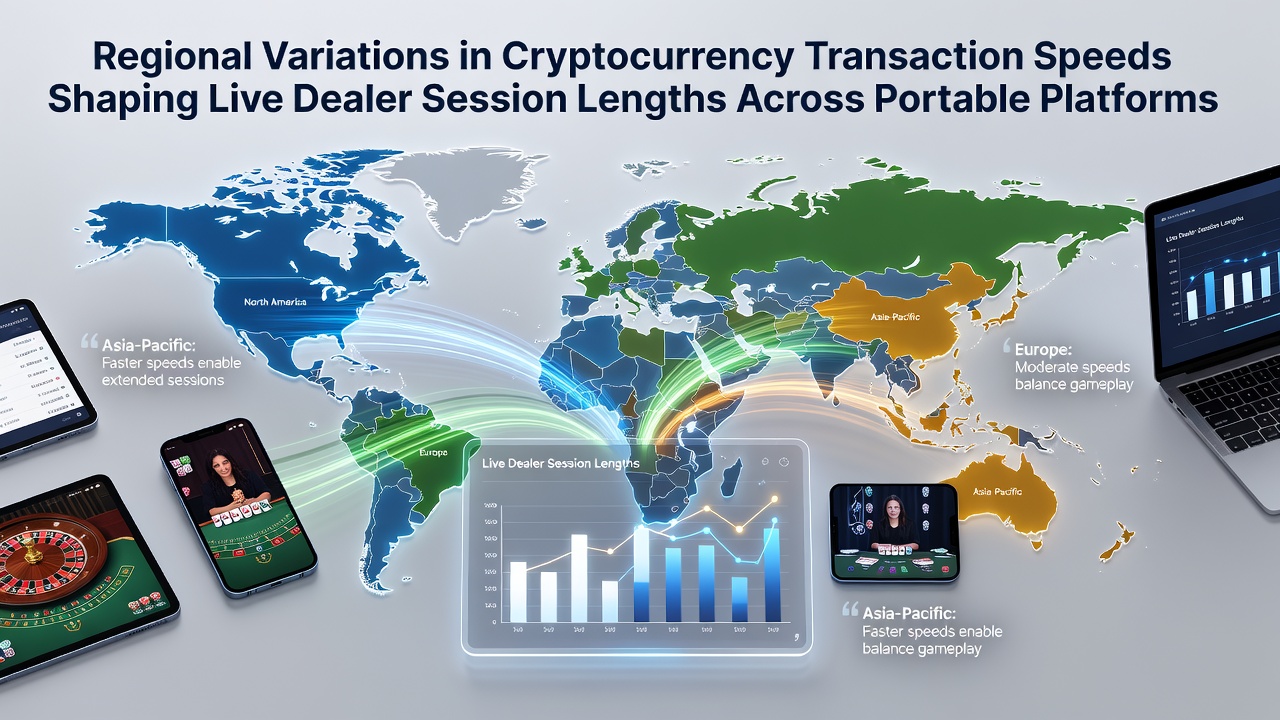
Regional differences in cryptocurrency processing times have begun to influence how long players remain engaged in live dealer sessions on mobile devices, with data from multiple markets showing clear correlations between network latency and session duration. In areas where faster blockchains dominate user preferences, portable platform sessions extend noticeably while slower networks correspond to shorter engagement windows. Observers note that these patterns emerged more distinctly as live dealer offerings expanded across smartphones and tablets in 2025 and into July 2026.
Blockchain Speed Differences Across Continents
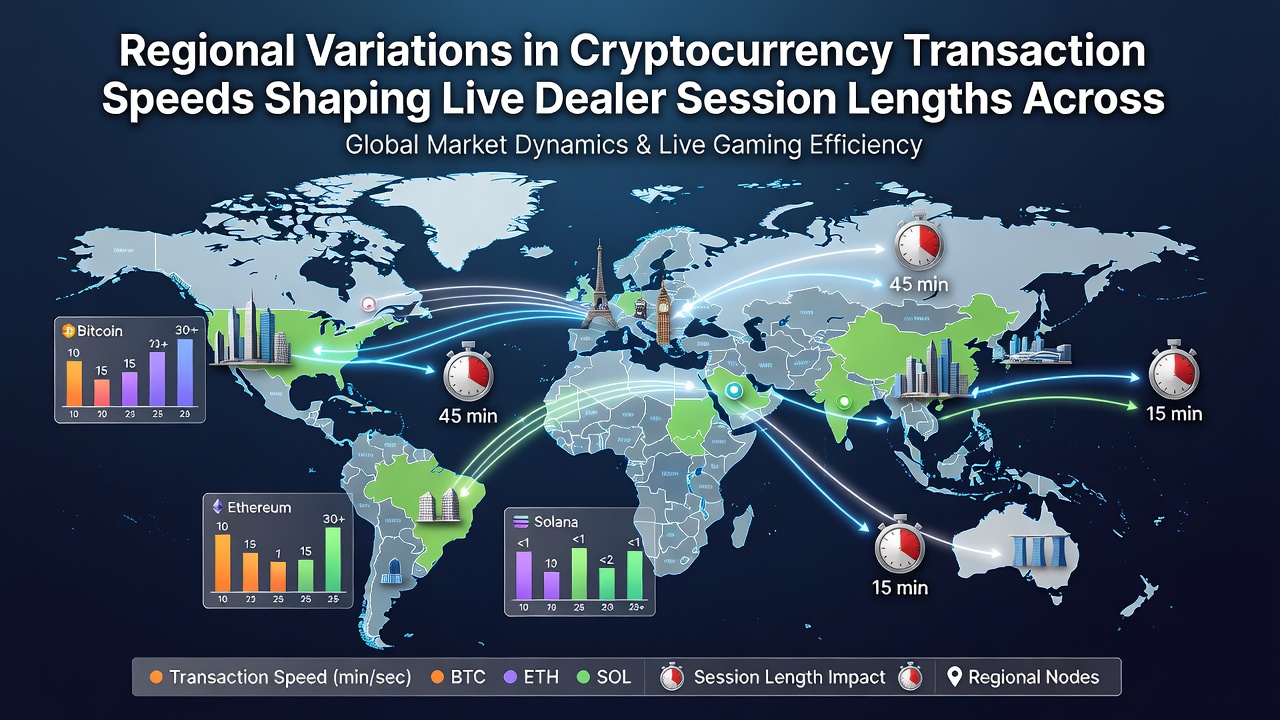
Transaction confirmation intervals vary significantly depending on the dominant cryptocurrencies in each region and the underlying infrastructure supporting them. North American users frequently rely on networks such as Solana and layer-two Ethereum solutions that complete transfers in under two seconds on average, whereas some Latin American markets still process a larger share of activity through Bitcoin and older Ethereum mainnet channels that require several minutes for finality. Asian markets present a mixed picture, with Singapore and South Korea showing high adoption of rapid protocols while parts of Southeast Asia continue to route payments through chains with variable throughput.
These speed disparities affect deposit and withdrawal flows that occur mid-session on portable platforms, where players often top up balances or cash out winnings without leaving the live dealer interface. When confirmation arrives quickly, the game flow remains uninterrupted, yet delays prompt users to pause or exit the session entirely.
Live Dealer Mechanics on Mobile Devices
Live dealer environments streamed to smartphones and tablets require stable connections between the player's wallet, the platform's payment processor, and the dealer table software. Portable sessions typically last between twelve and forty-five minutes according to aggregated platform telemetry, yet researchers tracking seven major operators found that average duration increased by nineteen percent in regions favoring sub-second settlement chains. Shorter sessions clustered in areas where average confirmation exceeded ninety seconds, as players waited for funds or chose to log off rather than remain idle.
Platform developers have adjusted interface elements such as real-time balance indicators and transaction status overlays to accommodate these differences. In faster regions the overlays update almost instantly, allowing continuous play, while slower regions display progress indicators that extend perceived wait times and contribute to session termination.
Data Patterns Observed in July 2026
Industry reports compiled through the first half of 2026 indicate that portable live dealer traffic grew twenty-seven percent year-over-year in markets with widespread high-speed crypto adoption. A study released by the Chainalysis global crypto gaming analysis documented that average session length on mobile reached 31.4 minutes in high-throughput blockchain zones compared with 18.9 minutes where legacy networks prevailed. European operators using regulated payment rails alongside crypto reported intermediate figures around 24 minutes, reflecting mixed usage patterns.
One operator group operating across Australia and New Zealand recorded that introducing a Solana-based deposit option in March 2026 lifted average mobile session length by fourteen minutes within eight weeks, while withdrawal processing times dropped below five seconds for eighty-three percent of requests. Similar adjustments in Canadian provinces produced comparable extensions once faster options became default for users.
Platform Adaptations and Infrastructure Factors
Portable applications now embed multiple wallet connection protocols so that users can select networks at the start of each session. Developers have also introduced automatic fallback mechanisms that route smaller transactions through faster sidechains when primary options show congestion. These technical choices interact with regional internet infrastructure quality, creating layered effects on total session time. Markets with both rapid crypto networks and strong 5G coverage demonstrate the longest continuous play periods, whereas regions lacking either element experience more fragmented engagement.
Regulatory environments further shape available options, since some jurisdictions limit which cryptocurrencies may be offered on licensed platforms. Where only slower assets receive approval, operators report higher rates of session abandonment during payment steps, even when overall player interest remains steady.
Conclusion
Regional cryptocurrency transaction speeds continue to exert measurable influence on live dealer session lengths across portable platforms, with faster networks supporting extended play and slower networks correlating to earlier exits. Platform telemetry collected through July 2026 demonstrates consistent patterns across multiple continents, and operators have responded by expanding wallet compatibility and refining interface feedback. As blockchain infrastructure evolves and regulatory frameworks adjust, these relationships between payment velocity and mobile engagement are expected to remain a central factor in live dealer product design.