Tracing Player Migration Patterns Between Regional Licensing Frameworks and Their Influence on Bonus Redemption Rates in Cross-Border Mobile Platforms
Katja Washington · Jun 27, 2026
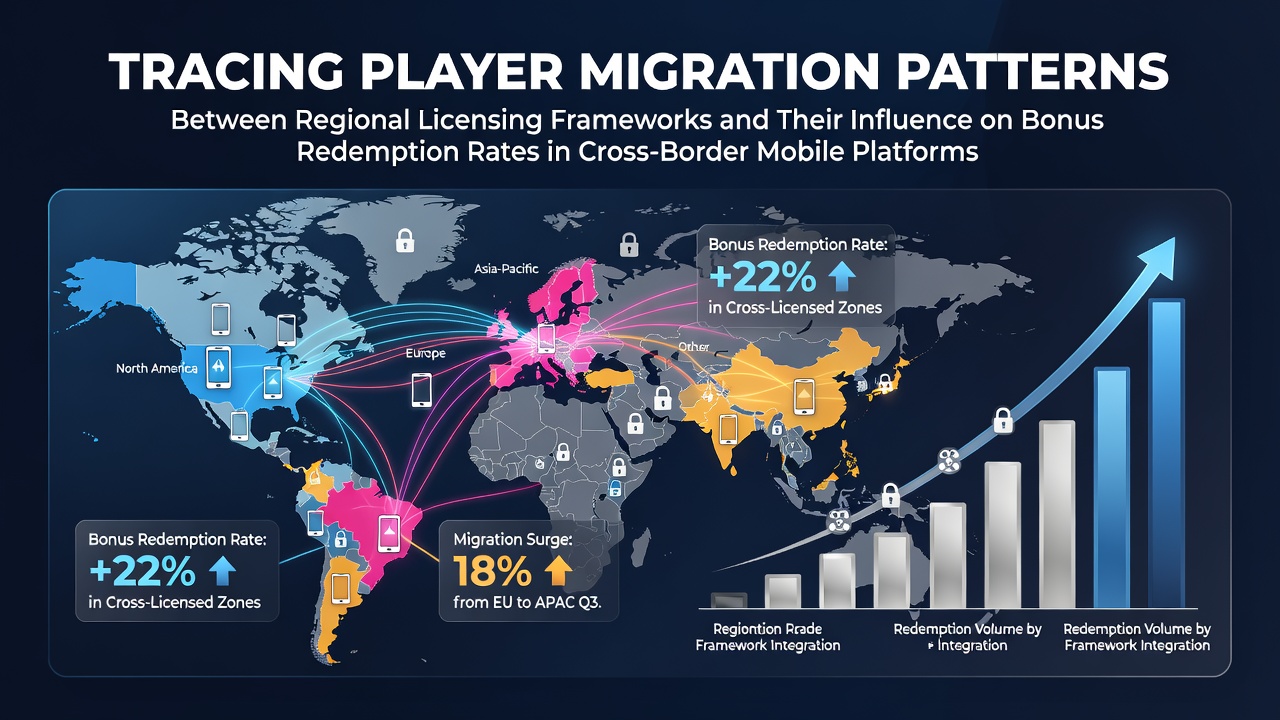
Tracing Player Migration Patterns Between Regional Licensing Frameworks and Their Influence on Bonus Redemption Rates in Cross-Border Mobile Platforms
Player movement across borders has accelerated as licensing rules diverge sharply between jurisdictions, and data from mobile platforms shows clear shifts in how users access and redeem promotional offers.
Regional Licensing Variations Shape Player Routes
European markets operate under frameworks that range from the strict oversight in Germany to the more open structures in Malta, while North American states maintain separate standards through bodies like the New Jersey Division of Gaming Enforcement, and Asian territories apply their own controls on mobile access. Researchers tracking account activity note that players frequently shift between these zones when license changes alter bonus availability or withdrawal terms, with migration spikes recorded during periods of regulatory adjustment.
Platforms licensed in multiple regions allow users to maintain profiles that follow them across borders, yet redemption success rates differ based on the originating license. Figures released in June 2026 from cross-platform analytics indicate that users moving from restrictive European licenses to multi-jurisdictional operators saw bonus conversion climb by measurable margins when the destination framework permitted higher payout flexibility.
Migration Data and Mobile Platform Trends
Account-level tracking reveals consistent flows from high-tax regions toward areas with streamlined approval processes, and operators report that mobile sessions originating from migrated users carry distinct redemption patterns. One study of networked slot systems found that players crossing from Canadian provincial rules into EU-compliant apps redeemed time-limited bonuses at rates tied directly to the clarity of each license's promotional guidelines.
Those who've examined transaction logs observe that cross-border activity often clusters around updates to licensing terms, with June 2026 data highlighting increased traffic from Asia-Pacific users toward platforms holding combined European and North American approvals. Redemption rates in these cases rose when the mobile interface presented bonus terms in alignment with the stricter originating jurisdiction, reducing disputes over eligibility.
Bonus Redemption Rates Under Cross-Border Conditions
Redemption metrics collected across mobile networks show that license origin influences both the speed and the percentage of successful claims, especially when players maintain active profiles in two or more frameworks simultaneously. Platforms that synchronize bonus rules with the most restrictive license in a user's history record steadier redemption volumes, while those applying the loosest standard experience higher initial claims followed by elevated reversal rates.
Data from industry reports links these patterns to the way regional rules govern wager requirements and expiry windows, and operators adjust their mobile systems accordingly to maintain compliance across borders. According to the European Gaming and Betting Association, synchronized licensing reduces friction for users moving between member states, which in turn stabilizes redemption figures on cross-device applications.
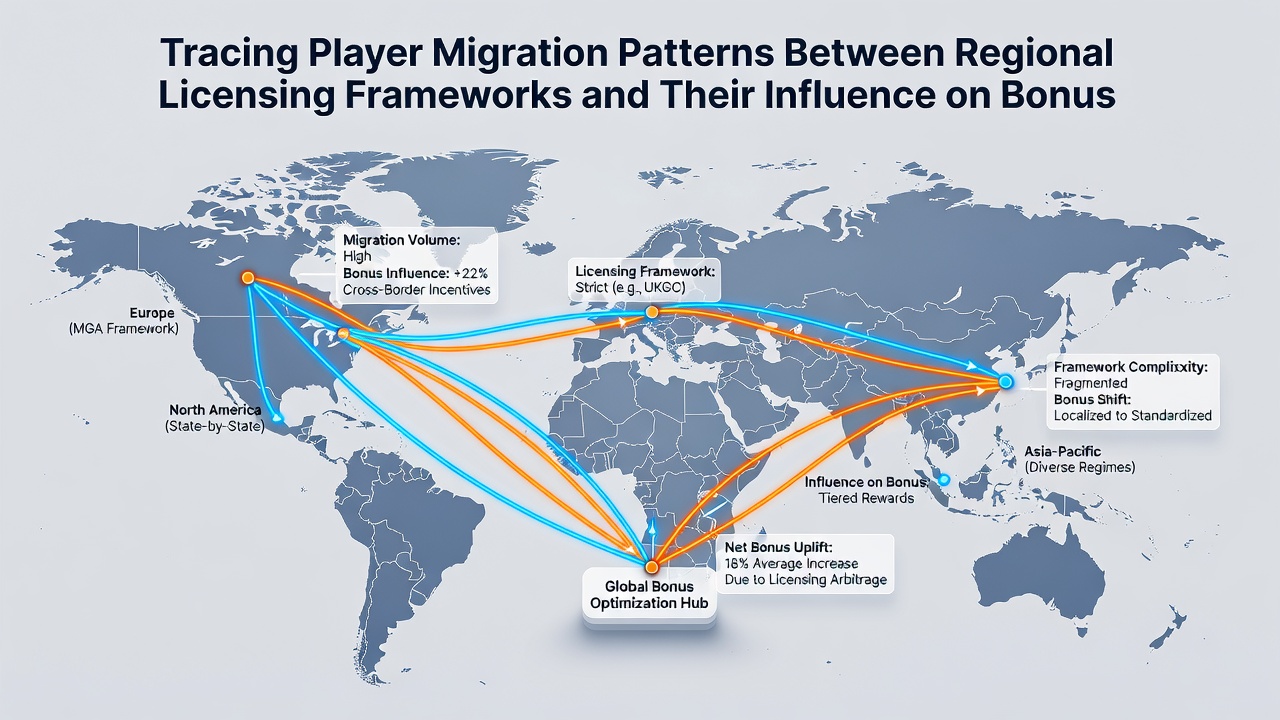
Additional analysis from the National Center for Responsible Gaming highlights that players who migrate frequently tend to concentrate activity on platforms that display license-specific bonus conditions upfront, leading to more predictable outcomes in redemption tracking.
Observed Patterns in June 2026 Activity
Monthly platform reports compiled through June 2026 capture a noticeable uptick in migration events coinciding with license renewals in several jurisdictions, and redemption data shows corresponding adjustments in bonus uptake. Users shifting from single-region operators to multi-license mobile environments demonstrated higher completion rates when the new framework mirrored core elements of their previous license structure.
Observers tracking these flows point to interface design choices that surface license origin details as a factor in maintaining consistent redemption behavior, while platforms lacking such transparency recorded more variable results during the same period.
Conclusion
Player migration between licensing frameworks continues to influence redemption rates on cross-border mobile platforms through differences in rule clarity and compliance requirements. Data collected through mid-2026 underscores the role of synchronized standards in stabilizing these outcomes, while regional variations produce measurable shifts in how users interact with promotional features across devices. Continued monitoring of account activity and transaction logs provides ongoing insight into these dynamics as frameworks evolve.